- Introduction
Glass cups are popular daily - use items due to their transparency, easy to clean properties, and heat - resistance. Among them, laser glass cups and decal glass cups stand out with their unique manufacturing processes and characteristics. Understanding the differences between these two types of glass cups can help consumers make more informed choices when purchasing, and also provides insights for glassware manufacturers to improve their production techniques. This article will comprehensively explore the differences between laser glass cups and decal glass cups from aspects such as manufacturing process, appearance characteristics, usage performance, and application scenarios.
- Manufacturing Process
2.1 Laser Glass Cups
- For laser - engraved glass cups, a high - energy laser beam is used. When the laser beam hits the glass surface, it causes the glass material to vaporize or melt in a very small area, creating indentations or patterns. In sub - surface laser engraving, which is also used for some high - end laser glass cups, the laser beam is focused inside the glass. By precisely controlling the focus position of the laser, 2D or 3D patterns can be created inside the glass. For example, a laser engraving machine with a high - power CO₂ laser can be used. The laser beam is directed through a series of optical lenses to accurately reach the desired position on the glass cup. The process requires precise control of parameters such as laser power, pulse width, and scanning speed. If the laser power is too high, it may cause the glass to crack; if it is too low, the engraving effect may not be obvious.
- Another method is laser etching. The laser heats the glass surface, causing a micro - thin layer of the glass to be removed, resulting in a frosted or matte - finished pattern. This is achieved by carefully adjusting the laser intensity and exposure time to ensure that only a very thin layer of the glass surface is affected, creating a smooth and delicate etched pattern.
2.2 Decal Glass Cups
- First, a design is created on a special film or paper, which is the decal. The design can be simple patterns, complex graphics, or text. The decal is usually made using printing techniques such as screen printing or digital printing. For example, in screen printing, a stencil is created based on the design, and ink is transferred onto the decal material through the stencil. The inks used are often heat - resistant and have good adhesion properties.
- The decal is then soaked in water to make it easy to separate from the backing paper. After that, it is carefully applied to the surface of the glass cup, ensuring that there are no air bubbles or wrinkles. Once the decal is in place, the glass cup is placed in a high - temperature oven. During the firing process, which typically occurs at temperatures ranging from 500 - 800 degrees Celsius, the ink on the decal fuses with the glass surface. This chemical reaction makes the pattern firmly adhere to the glass, becoming an integral part of the cup. The firing time and temperature need to be strictly controlled. If the temperature is too low, the decal may not adhere well; if it is too high, the glass cup may be deformed or even damaged.
- Appearance Characteristics
3.1 Laser Glass Cups
- Laser - engraved patterns on glass cups are often very precise and detailed. The lines are clear and sharp, whether it is a simple logo or a complex image. For example, a laser - engraved glass cup with a company logo can accurately reproduce the logo's shape, lines, and even small details like the font's serifs. The depth of the engraving can be adjusted according to needs. Deeper engraving can create a more three - dimensional and textured look, while shallower engraving gives a more subtle and elegant appearance.
- When it comes to laser - etched glass cups, the surface has a frosted or matte finish. The etched area diffuses light, creating a soft and hazy visual effect. This is especially suitable for creating decorative patterns or text that need to have a more subdued and artistic look. For instance, an etched glass cup with floral patterns will have a more romantic and artistic feel, as the frosted effect gives the flowers a sense of delicacy.
3.2 Decal Glass Cups
- Rich Colors and Patterns:
- Decal glass cups can display a wide range of colors. Since the decals are printed using various inks, they can reproduce almost any color in the spectrum. Complex and colorful patterns, such as landscape paintings, cartoon images, or multi - colored geometric patterns, can be vividly presented on the glass cup. For example, a Decalglass cup with a colorful tropical beach scene can have bright blues for the ocean, warm oranges for the sunset, and lush greens for the palm trees, creating a very eye - catching and vivid visual effect.
- After the firing process, the surface of the Decal glass cup remains smooth. The decal fuses with the glass surface, creating a seamless and flat appearance. There is no obvious texture on the surface where the pattern is located, except for the slight elevation of the ink layer, which is usually very thin and hardly noticeable to the touch. This smooth surface makes the cup easy to clean and gives it a sleek and modern look.
- Usage Performance
4.1 Laser Glass Cups
- Laser - engraved or etched patterns are very durable. Since the patterns are created by directly modifying the glass material, they are less likely to fade, wear off, or be scratched during normal use. For example, a laser - engraved glass cup used daily for drinking water or coffee will maintain its pattern integrity for a long time. Even if it is washed frequently or rubbed gently, the pattern will not be easily damaged.
- Laser - treated glass cups generally maintain the original heat - resistance properties of the glass material. Whether it is high - borosilicate glass, which is known for its excellent heat - resistance, or other types of glass, the laser processing does not significantly affect their ability to withstand temperature changes. They can be used to hold hot beverages such as boiling water, tea, or coffee without any issues.
4.2 Decal Glass Cups
- Although the decal fuses with the glass during the firing process, the durability of the pattern may be affected under certain conditions. If the cup is frequently rubbed harshly or exposed to strong chemicals, the pattern may gradually fade or peel off. For example, if a Decalglass cup is used to hold acidic beverages for a long time, the acid may corrode the ink on the decal, causing the color to fade.
- The heat - resistance of Decalglass cups depends on the type of glass used. However, the firing process may have some impact on the glass's overall heat - resistance performance to a certain extent. If the firing temperature is not properly controlled, it may cause internal stress in the glass, reducing its ability to withstand sudden temperature changes. In general, as long as the firing process is carried out correctly, Decal glass cups can still be used to hold hot beverages, but they may be more sensitive to extreme temperature differences compared to laser glass cups.
- Application Scenarios
5.1 Laser Glass Cups
- Laser - engraved glass cups are very popular as personalized gifts. They can be engraved with names, initials, special dates, or meaningful messages, making them unique and memorable gifts for birthdays, anniversaries, or graduations. For example, a laser - engraved glass cup with a couple's names and wedding date can be a very romantic and long - lasting gift.
- In the corporate world, laser - engraved glass cups are often used for promotional purposes. A company can engrave its logo, slogan, or contact information on the glass cups and distribute them as corporate gifts, giveaways at events, or as part of employee benefits. This helps to enhance brand awareness and leave a professional impression.
5.2 Decal Glass Cups
- Decal glass cups with their colorful and artistic patterns are often used as decorative homeware. They can add a touch of style and color to a kitchen, dining room, or living room. For example, a set of Decalglass cups with beautiful floral patterns can be used as display items on a kitchen shelf, enhancing the overall aesthetic of the space.
- Due to their ability to produce a wide variety of colorful patterns at a relatively low cost, Decalglass cups are commonly found in the mass - market. They are often sold in supermarkets, department stores, or online shopping platforms, targeting consumers who are looking for affordable and visually appealing glassware.
- Conclusion
In conclusion, laser glass cups and Decal glass cups have distinct differences in manufacturing process, appearance characteristics, usage performance, and application scenarios. Laser glass cups are characterized by their precise engraving, durability, and heat - resistance, making them suitable for personalized and high - end applications. On the other hand, Decal glass cups offer rich colors, smooth surfaces, and are more cost - effective for mass - production and decorative purposes. When choosing between the two, consumers should consider their specific needs, such as whether they prioritize durability, aesthetics, or cost. Glassware manufacturers can also leverage these differences to develop products that meet the diverse demands of the market, further promoting the development and innovation of the glassware industry.


 Beyond the Grape: The Delicate Art of Chinese Stemware Craftsmanship
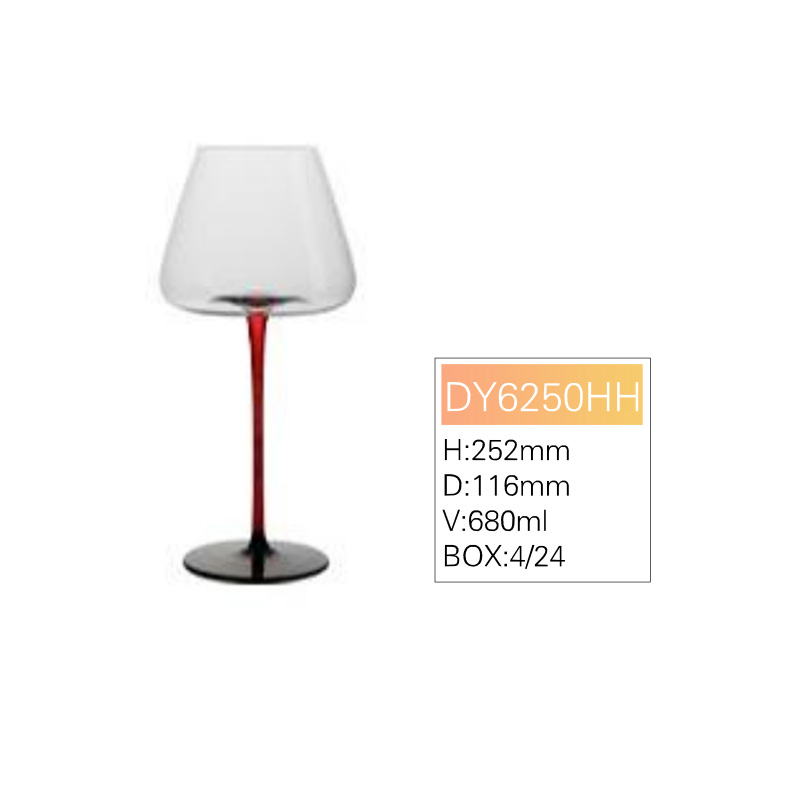 The Art of Color in China‘s Glass Cup Industry
 The Art of Clarity: A Deep Dive into the Craftsmanship of Glassware
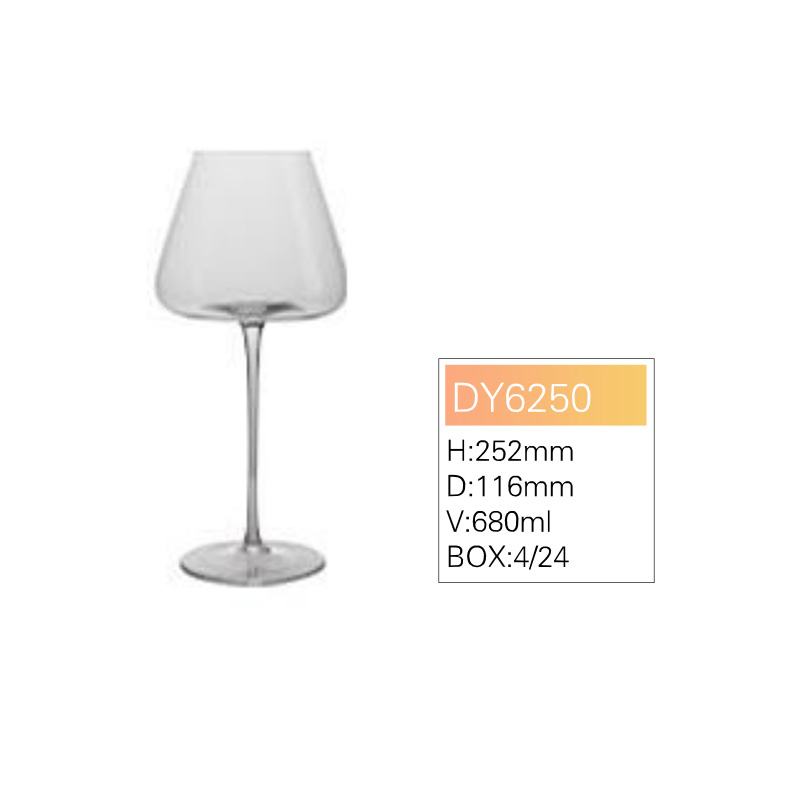 Raise Your Glass: A Guide to Glassware Materials and Types


